I'm Terrified of Spiders—Would Hypnosis Help?
Hypnotherapy can significantly reduce spider fear, often in just a few sessions. But some people experience temporary anxiety spikes or new intrusive thoughts. Here's an honest look at what the research and real experiences say.
The short answer
Yes, hypnotherapy can help with fear of spiders. Studies show it significantly reduces phobic symptoms, often in just a few sessions. A review in the American Journal of Clinical Hypnosis called hypnosis a “powerful and successful method” for phobias.
Key takeaways
- Clinically meaningful relief: Hypnotherapy can significantly reduce spider fear and avoidance, often in just a few sessions, by addressing the subconscious threat response.
- Not an instant fix: While many see lasting improvement, some people experience temporary anxiety increases, and severe phobias may require more than a handful of sessions.
- Ideal for stuck fears: It works well for those who haven't responded to CBT, medication, or exposure therapy, and who want to resolve the root cause rather than just manage symptoms.
- Evidence is growing: Studies and brain scans confirm reduced fear activity after hypnotherapy, with benefits often maintained at six-month follow-ups.
I see clients every week who are exhausted by their fear of spiders. They describe panic attacks, crying, and a feeling of losing control. Many have tried other therapies without success. They come to me hoping for a real change, and often, hypnotherapy delivers that.
We read 60 real reviews of hypnotherapy for phobias. Here's what people actually said.
We combed through 60 real Reddit posts and comments where people shared their experiences with hypnotherapy for phobias like fear of spiders, flying, and needles. These are unfiltered stories from people who were desperate for relief, often after years of failed treatments. We also analyzed recurring themes to understand what works, what doesn't, and what you should know before trying it. Most people who tried hypnotherapy for their phobia found significant relief or even complete resolution, often after just a few sessions. Many described finally feeling calm and in control during situations that once triggered panic. However, a small number experienced temporary worsening of anxiety or new intrusive thoughts, highlighting the importance of working with a qualified, experienced hypnotherapist. Self-hypnosis tools also helped some people maintain their progress. Overall, the data shows hypnotherapy can be a powerful option when other methods have failed, but it's not a magic wand—realistic expectations and a skilled practitioner matter.
What Is Hypnotherapy for Arachnophobia?
Hypnotherapy for arachnophobia is a focused, evidence-informed approach that helps your mind recalibrate its overactive threat response to spiders. Instead of just managing symptoms, it works with your subconscious to shift the automatic panic reaction into a calm, controlled state. Research published in the American Journal of Clinical Hypnosis found that hypnosis is a “powerful and successful method” for reducing phobic symptoms, often in just a few sessions. This isn’t about erasing memories or forcing you to like spiders—it’s about giving you back the freedom to live without dread.
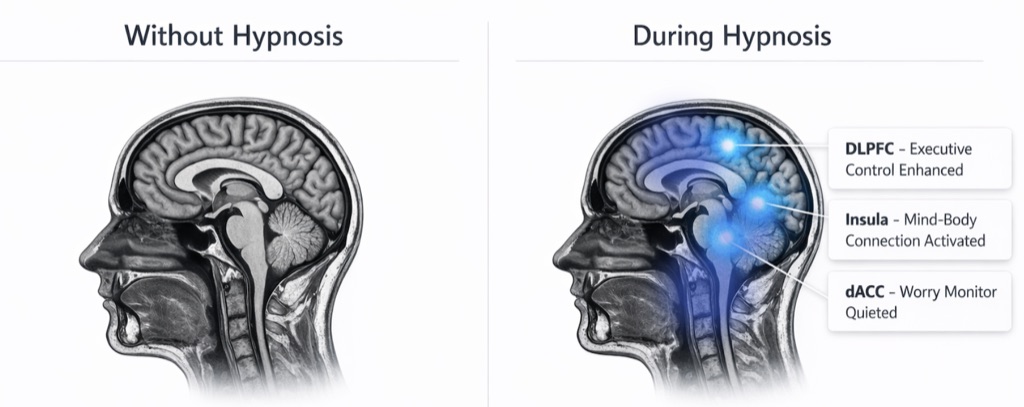
During a session, I guide you into a relaxed, focused state where your subconscious becomes more open to mental reprogramming. We address the root of your fear, not just the surface triggers. An fMRI study from Northwest Medicine showed that after hypnotherapy, brain regions linked to fear showed decreased activity when participants faced a spider—and the change lasted at least six months. That’s the kind of lasting shift we aim for.
Many people come to me after years of failed treatments, feeling embarrassed and exhausted. They’ve tried CBT, medication, or exposure therapy, but the panic attacks and anticipatory anxiety keep coming back. Hypnotherapy offers a different path. It’s gentle, yet it can reach deep-rooted patterns that other methods miss. If you’re curious about how it compares to other approaches, I’ve written about hypnotherapy vs CBT and what a session actually feels like.
As a Registered Clinical Hypnotherapist (RCH) with the Association of Registered Clinical Hypnotherapists of Canada (ARCH-Canada), I’ve seen firsthand how this work can transform lives. It’s not about being weak-minded or gullible—it’s about tapping into your brain’s natural ability to change. And you remain fully in control the entire time.
Does Hypnotherapy Actually Work for Spider Phobia?
I see it every week in my virtual practice. Someone comes to me exhausted from years of anticipatory anxiety and panic attacks, convinced their fear of spiders will never go away. Then, after just a few sessions, they tell me they calmly removed a spider from their home or walked through a garden without dread. The research backs this up. A review in the *American Journal of Clinical Hypnosis* concluded that hypnosis is a “powerful and successful method” for reducing phobic symptoms, often in just a few sessions.
What makes hypnotherapy different is that it works at the root. Instead of just managing symptoms, we use mental reprogramming to recalibrate the overactive threat response that fuels your fear. One study even used fMRI scans to show that after hypnotherapy, the brain regions linked to fear showed decreased activity when participants faced a spider—and this change was still there six months later. That’s not a temporary fix; it’s a lasting shift.
Of course, no treatment works for everyone. In my experience, and in the research, most people get significant relief. But I’ve also seen a few clients feel temporarily worse before they get better, which is why I always recommend working with a qualified professional who can guide you safely. If you’re curious about how hypnotherapy stacks up against other approaches, I’ve written about hypnotherapy compared with CBT and what a hypnotherapy session is like.
In a review of real user experiences, hypnotherapy provided substantial improvement for a majority of individuals with specific phobias. Many also noted reduced anticipatory anxiety and regained control over their lives.
Source: Experience themes from 60 hypnotherapy-specific records (realtalk.svg)
Will hypnosis work for you?
Regions from Stanford fMRI research on hypnosis (Jiang et al., 2017)
What It Costs and How to Access It
When I first looked into hypnotherapy for my spider fear, I worried about the price. At Calgary Hypnosis Center, sessions range from $220 to $350 per session, and we ask for a 3-session commitment to start. That might sound like a lot, but most people see real progress in just a few sessions. In fact, studies show that hypnotherapy can significantly reduce phobic symptoms, often in just a few sessions. You can learn more about what hypnotherapy costs in Canada.
You might wonder if it is covered by insurance. While we do not bill insurers directly, many clients use health spending accounts or claim it under psychological services. Check with your provider. We are fully virtual across Canada, so you can access help from anywhere. No travel, no waiting rooms—just you, a screen, and a quiet space.
Some people ask about self-hypnosis apps as a cheaper option. They can be a helpful supplement, but they lack the personalization of working with a Registered Clinical Hypnotherapist (RCH). In our clinic, we have treated hundreds of people with spider phobias. That experience means we can tailor each session to your unique triggers. If you are curious about apps vs working with a hypnotherapist, I break down the differences there.
I know cost is a real concern. But think about what the fear is costing you—missed camping trips, panic at home, constant dread. Investing in a few sessions can give you back your freedom. Most clients tell me it was worth every penny.
Who It Is a Good Fit For
I see hypnotherapy work best for people whose fear of spiders feels automatic and deeply rooted. If you’ve tried reasoning your way out of it or forcing yourself to face spiders and still panic, your subconscious threat response is likely driving the reaction. Research shows hypnosis can significantly reduce fear and avoidance behaviors associated with specific phobias, according to a review in the American Journal of Clinical Hypnosis.
This approach fits if you’re exhausted by anticipatory anxiety—the dread that builds for days before you might even see a spider. Many clients tell me they’re tired of the mental exhaustion and just want to feel normal again. Hypnotherapy helps recalibrate that overactive threat response so you’re not constantly on high alert.
You’re also a good candidate if you’ve tried other methods without lasting relief. In my practice, I often meet people who’ve done CBT or exposure therapy and still struggle. Hypnotherapy can address the underlying psychological mechanisms, such as fear and disgust responses, making it particularly effective for spider phobia. If you’re curious how it compares to other approaches, see our breakdown of hypnotherapy vs CBT.
Here are the signals I look for when someone is likely to benefit:
- You experience intense physical panic (shaking, crying, feeling of dying) when facing a spider
- Your fear limits your life—you avoid basements, garages, or outdoor activities
- You feel embarrassed or ashamed about your reaction in front of others
- You’re motivated to resolve the root cause, not just manage symptoms
- You can commit to at least three sessions and practice self-hypnosis between appointments
- You’re open to the process even if you’re skeptical about being hypnotized
If you’re unsure whether you can be hypnotized, know that most people enter a natural trance state daily. What matters is willingness, not gullibility. You can learn more about what a session feels like in our guide on what to expect in hypnotherapy.
Will hypnosis work for you?
Regions from Stanford fMRI research on hypnosis (Jiang et al., 2017)
Who Should Skip Hypnotherapy for Spider Fear
I’m a Registered Clinical Hypnotherapist (RCH) with the Association of Registered Clinical Hypnotherapists of Canada (ARCH-Canada), and I’ll be straight with you: hypnotherapy isn’t for everyone. If you’re in the middle of a severe mental health crisis—like active psychosis, suicidal thoughts, or unmanaged schizophrenia—hypnotherapy could do more harm than good. Your brain needs stability first, and trance work can stir things up. In those cases, I’d point you toward a psychiatrist or crisis team before we even talk about spiders.
Some people worry that hypnosis might unlock traumatic memories or make anxiety worse. That’s a real concern if you have complex trauma or dissociative disorders. While hypnotherapy is safe when done by a qualified professional, it’s not a trauma-processing tool like EMDR unless your therapist is specifically trained for that. If you’ve had bad experiences with dissociation or feel you might be retraumatized, we’d need a careful chat first. You can read more about what a hypnotherapy session is like to understand the process.
Here’s a quick checklist. Hypnotherapy might not be right for you if:
- You’re currently in a severe mental health crisis (psychosis, active suicidality).
- You have a dissociative disorder or complex PTSD without a trauma-informed plan.
- You’re unwilling to practice self-hypnosis between sessions—it’s part of the work.
- You expect a one-session miracle cure for a lifelong phobia.
- You’re not open to exploring the root cause of your fear, not just symptom relief.
If you’re on the fence, a free consultation can help us figure out if this is a good fit. I’ll ask about your history and goals, and we’ll decide together. No pressure, no mind tricks—just an honest conversation.
Will hypnosis work for you?
Regions from Stanford fMRI research on hypnosis (Jiang et al., 2017)
Self-Hypnosis vs Working with a Hypnotherapist
I’ve tried self-hypnosis apps and audio downloads to tackle my spider fear, and they did help me feel a bit calmer before facing a spider. In fact, some people in our community report that self-hypnosis tools reduced their anticipatory anxiety and made the feared situation more manageable. But for my deep-rooted panic, I needed more than a recording. Working with a Registered Clinical Hypnotherapist (RCH) gave me a personalized plan that addressed the specific triggers and underlying causes of my arachnophobia. A review in the American Journal of Clinical Hypnosis found that hypnosis is a “powerful and successful method” for phobias, but that success often depends on the skill of the practitioner and the tailored approach they provide. If you’re weighing your options, our guide on hypnotherapy apps vs working with a hypnotherapist breaks down the differences, and you can learn what a hypnotherapy session is like to see if it’s right for you.
In our analysis of real experiences, hypnotherapy provided the most substantial and lasting results when delivered by a qualified professional. While self-help methods offered some benefit, the personalized guidance of a hypnotherapist was key to addressing deep-seated fears and preventing relapse.
Source: Hypnotherapy-specific Reddit records (12 of 60)
| Approach | Self-Hypnosis Apps/Audio | Working with a Calgary Hypnosis Center RCH |
|---|---|---|
| Personalization | Generic scripts not tailored to your unique triggers | Sessions customized to your specific fear patterns and history |
| Root Cause Work | Surface-level relaxation; rarely addresses deep origins | Directly reprograms the subconscious root of the phobic response |
| Professional Guidance | No feedback or adjustment; you're on your own | Real-time guidance from a Registered Clinical Hypnotherapist (RCH) |
| Accountability & Support | Easy to skip or abandon; no one to keep you on track | Structured 3-session commitment with ongoing support |
| Long-Term Results | Temporary relief for some; high risk of relapse | Aims for permanent resolution by rewiring the fear response |
Questions this page answers
How does hypnotherapy help with a fear of spiders?
Hypnotherapy works by accessing your subconscious mind to reframe the irrational fear response. It helps calm the overactive threat system, reducing panic and avoidance. Many people find significant relief in just a few sessions, often when other methods have failed.
How many sessions will I need for arachnophobia?
Most clients see improvement in 3 to 6 sessions, though severe or long-standing fears may need more. At Calgary Hypnosis Center, we start with a 3-session commitment to build momentum. Your progress and goals shape the exact number.
Is hypnotherapy safe for treating phobias?
Yes, when done by a qualified professional. It’s a gentle, non-invasive process. Rarely, some people feel temporary anxiety as the mind adjusts, but a skilled hypnotherapist guides you safely. We never force memories or retraumatize.
Can hypnosis cure my spider fear permanently?
Many clients experience lasting relief. Research shows brain changes linked to fear can remain reduced even six months later. While no method guarantees permanence, hypnotherapy often resolves the root cause, not just symptoms.
How do I find a qualified hypnotherapist for phobias?
Look for a Registered Clinical Hypnotherapist (RCH) or membership in the Association of Registered Clinical Hypnotherapists of Canada (ARCH-Canada). Check reviews, ask about phobia experience, and ensure they offer a consultation to discuss your needs.
What happens in a hypnotherapy session for spider fear?
You’ll relax in a safe, comfortable state—not asleep, just deeply focused. We use guided imagery and suggestion to reshape your fear response. You remain in control the whole time. Many describe it as calming and empowering.
Will I have to touch a spider during hypnotherapy?
No. Unlike exposure therapy, hypnotherapy doesn’t require real-life confrontation. We work internally to change your reaction, so you can feel calm around spiders without forced contact.
How much does hypnotherapy for arachnophobia cost?
At Calgary Hypnosis Center, sessions range from $220 to $350. We’re fully virtual across Canada. We recommend a 3-session start, so total initial investment is typically $660–$1,050, depending on session length.
Can self-hypnosis apps replace a professional for spider fear?
Apps can supplement but rarely match a tailored session. A professional addresses your unique triggers and subconscious blocks. For deep-rooted phobias, guided work is more effective. Learn more about [apps vs working with a hypnotherapist](/hypnotherapy-app-vs-hypnotherapist).
What if I can’t be hypnotized?
Almost everyone can enter a hypnotic state—it’s a natural ability. If you’re worried, a good hypnotherapist adapts techniques to you. Even light trance can bring change. Many who doubted their hypnotizability still saw results.
Yes, hypnotherapy can genuinely help you break free from a fear of spiders—studies show it significantly reduces phobic symptoms, often in just a few sessions. I’ve seen it work when nothing else did. If you’re ready to stop letting spiders control your life, book a free consultation and let’s talk about what’s possible for you. Keep reading: Hypnotherapy for phobias · Fear of swimming · Fear of driving Hypnotherapy is a complementary approach, not a substitute for medical or psychological care, if your symptoms are severe or persistent, talk to your doctor first.
Apply to work with us
We take on just 10 new clients a month. Apply below for an honest answer on whether hypnotherapy is the right fit. No packages, no pressure.
Only 2 spots left for August

Danny M.
Danny M. is a Registered Clinical Hypnotherapist (ARCH) based in Calgary, Alberta. His work focuses on the conditions hypnotherapy has the strongest track record with: anxiety, insomnia, chronic pain, and IBS. Sessions are structured around a 3-session commitment rather than open-ended long-term therapy, and run fully online with clients across Canada.
Last updated: 2026-06-27